What is a robotaxi? How they work, what they cost, and if they're safe
A robotaxi is a taxi that drives itself. How it sees the road, who helps when it gets stuck, what a ride costs against Uber, and what the safety data shows.
The Lanoo team··5 min read
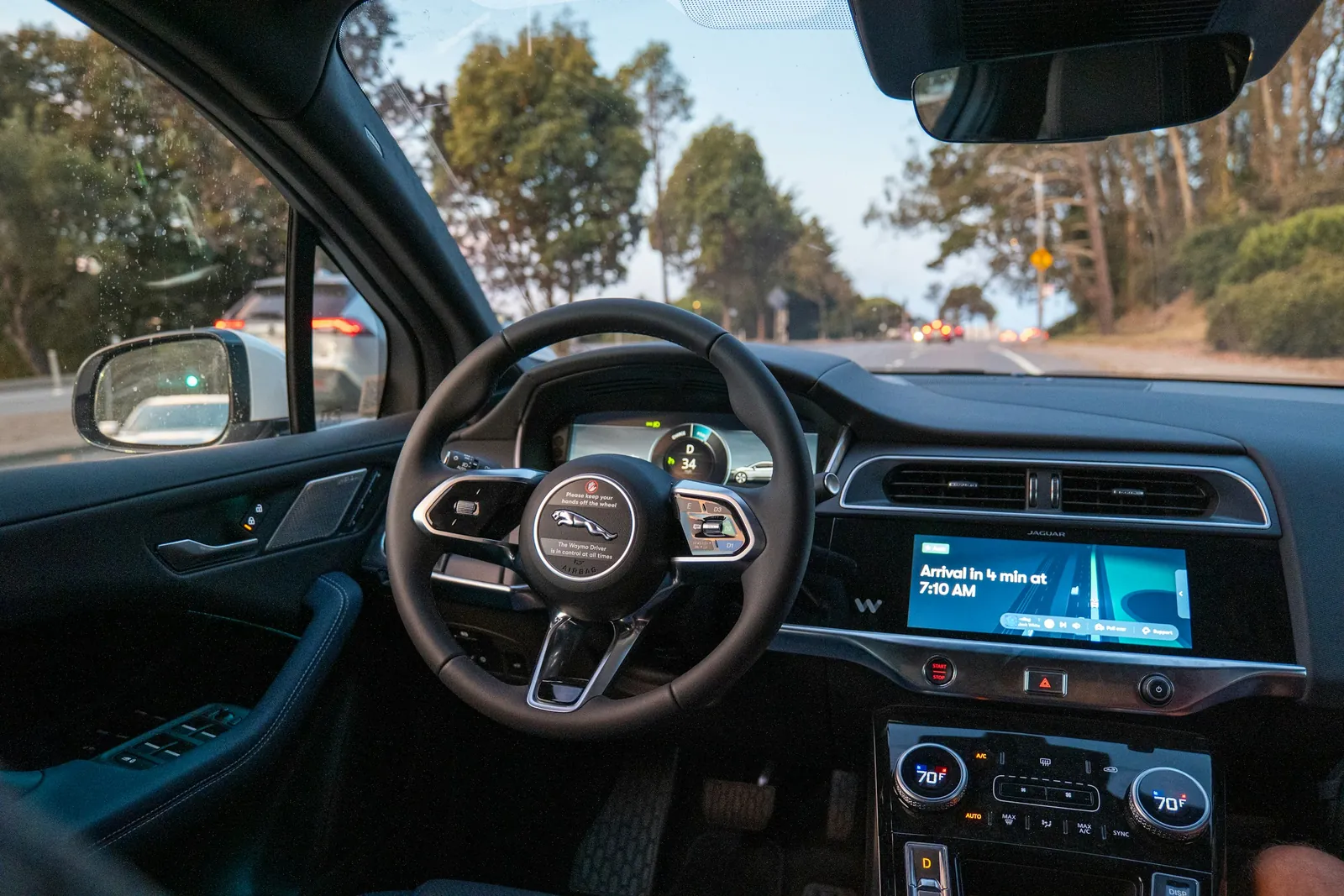
A robotaxi is a taxi that drives itself. You book it in an app, it comes to you with nobody in the driver's seat, and it takes you to where you are going within the area it is approved for. Robotaxis carry paying passengers today in the US, China, the United Arab Emirates and, so far with a person at the wheel in most cases, in Europe.
The best-known are Waymo's, which give more than 500,000 paid rides a week in 15 US metros.1 Tesla, Amazon's Zoox, Baidu's Apollo Go, Pony.ai and WeRide run them too. Every city where you can ride one is in Where are robotaxis operating?
How a robotaxi works
A robotaxi is a Level 4 vehicle, in the scale set by the engineering body SAE: it drives itself, and handles whatever goes wrong, without expecting a person to take over. But only inside its operational design domain: the streets, times and weather it is built and approved for.2 That is why every robotaxi service has a map with an edge. Outside it, the car does not drive.
To see the road, most robotaxis combine cameras, radar and lidar, which measures distance with laser light. Software turns what the sensors see into a picture of the street, predicts what other road users will do, and plans the car's path many times a second.
Nobody drives a robotaxi remotely in normal service. When the car meets something it cannot work out, such as cones laid out in an unusual way, it asks a person at a remote centre. Waymo calls them fleet response agents: they can see the car's cameras, answer its question or suggest a path, but they do not steer, brake or accelerate, and the car decides.3
Robotaxi, self-driving car or Uber?
| Robotaxi | Car with driver assistance | Uber or taxi | |
|---|---|---|---|
| Who drives | The car | You, with help; you must watch the road | A person |
| Where | Inside an approved area | Anywhere you drive | Anywhere |
| Level | 4 | 2 | — |
| Example | Waymo, Zoox, Apollo Go | Tesla FSD (Supervised) in your own car | UberX |
The difference is responsibility. A car with driver assistance, however capable, still needs you to watch the road and take over. A robotaxi does not; there may be nobody in the front seats at all. Some services still keep a safety driver behind the wheel in a new city or while the law requires one, as in London and Tesla's rides around San Francisco.4
What a ride costs
A robotaxi costs about what a taxi or Uber costs, and in some places more. Robotaxi companies price like ride-hail: a base fare plus distance and time, sometimes with extras for airports.5
The longest-running comparison is from Obi, a ride-hail price comparison company, in San Francisco. Between late November 2025 and 1 January 2026, an average Waymo ride cost $19.69, against $17.47 for Uber and $15.47 for Lyft. Waymo's prices had fallen slightly since the spring of 2025, while Uber's and Lyft's had risen. Tesla's rides came out much cheaper than all three.6 Prices differ by city and time of day, and companies are still finding their level.
Are robotaxis safe?
The best data so far comes from Waymo, because it has driven the furthest. Through June 2026, its cars had driven 271 million miles with nobody in the driver's seat. Compared with human drivers over the same distance in the same cities, they were involved in 95% fewer crashes with serious injuries, 82% fewer crashes with any injury and 93% fewer crashes that injured a pedestrian.7 Those figures are Waymo's own, though its method and data are published.
Tesla published its first Robotaxi safety report in October 2026: 3.1 million miles with no employee on board and, Tesla says, no injuries caused by its cars.4 That is far less driving than Waymo's, and harder to compare.
Robotaxis also fail in ways human drivers do not. On 31 March 2026, more than 100 of Baidu's robotaxis stopped in traffic in Wuhan at once, some with passengers inside, after what police called a system malfunction. Nobody was hurt.8 A fleet that shares one system can have one fault everywhere at the same moment, which is why cities ask operators how their cars stop safely and how fast someone gets to them.
Are robotaxis legal?
Where they run, yes, because a country or state has decided to allow them. In the US, states set the rules, and each city on the map above sits in a state that allows driverless cars. Germany wrote Level 4 into its road law in 2021,9 and the UK's Automated Vehicles Act 2024 has allowed permits for driverless pilots since May 2026.10 Most of Europe allows only trials so far; the details are in Robotaxi rules in Europe.
Where robotaxis go between rides
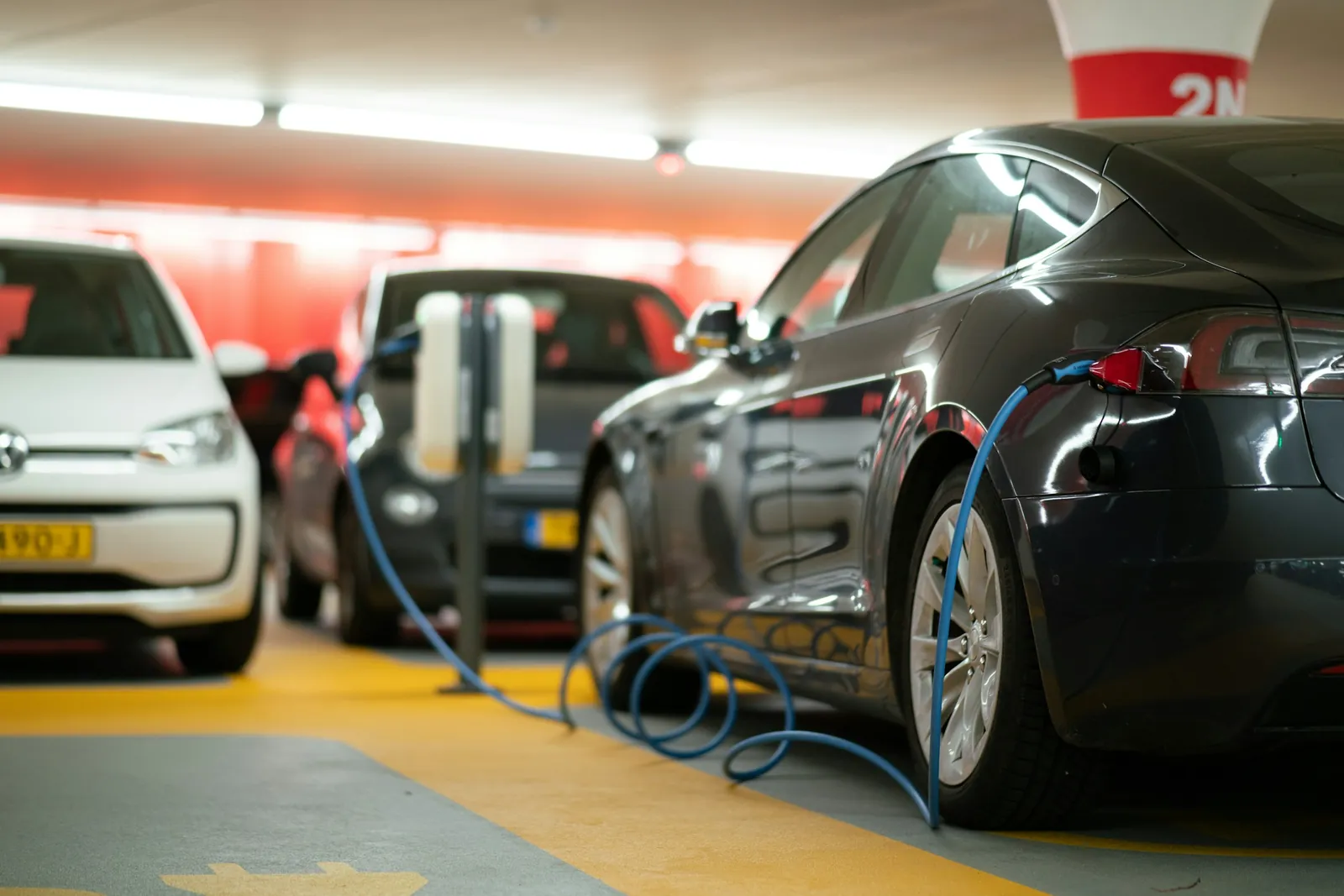
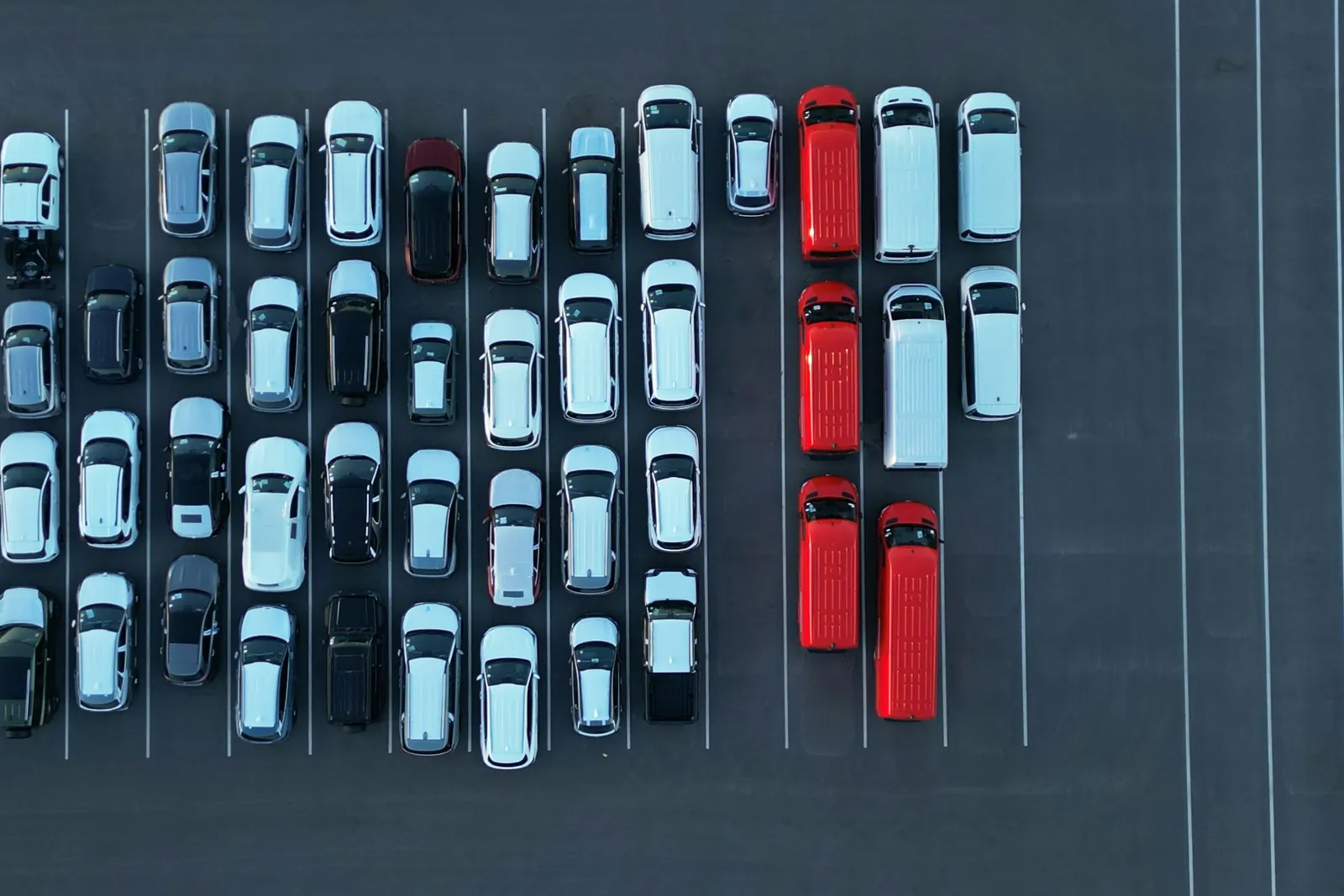
A robotaxi spends part of every hour empty: driving to its next passenger, charging, or waiting for the next ride. Where it waits matters to the city it is in. Empty cars circling add traffic, and cars waiting in the wrong place have led to honking parking lots and court cases. Charging takes them off the road for a while every day; see How do robotaxis charge, and where?
Cities are starting to set aside staging areas for robotaxis to wait in, the way they set aside taxi ranks. When several operators share a city, someone has to give those spots out fairly. That is what Lanoo does.
Sources
-
Electrek, Waymo adds nearly 250 square miles of robotaxi coverage in 5 cities, 27 October 2026. ↩
-
SAE International, J3016: Taxonomy and definitions for terms related to driving automation systems. ↩
-
Waymo, Fleet response: lending a helpful hand to Waymo's autonomously driven vehicles, May 2024. ↩
-
Tesla, Robotaxi Safety Report; see Not a Tesla App, Tesla names next Robotaxi cities, shares miles driven and safety data, 21 October 2026. ↩ ↩2
-
CNBC, Amazon's Zoox to launch paid robotaxi rides in Las Vegas on Aug. 10, 5 August 2026. ↩
-
TechCrunch, The price gap between Waymo and Uber is narrowing, 27 January 2026. ↩
-
Waymo, Safety impact, data through June 2026. ↩
-
Associated Press, Passengers stranded in moving traffic after robotaxi outage in China's Wuhan, 1 April 2026. ↩
-
Federal Motor Transport Authority, National type approval for motor vehicles with a fully automated driving function. ↩
-
Jones Day, Driverless vehicles on British roads: operating under the self-driving pilot scheme, June 2026. ↩