How do robotaxis charge, and where?
Most robotaxis are still plugged in by hand, at depots and sometimes at public chargers. How that works today, what is changing, and why cities should care.
The Lanoo team··3 min read
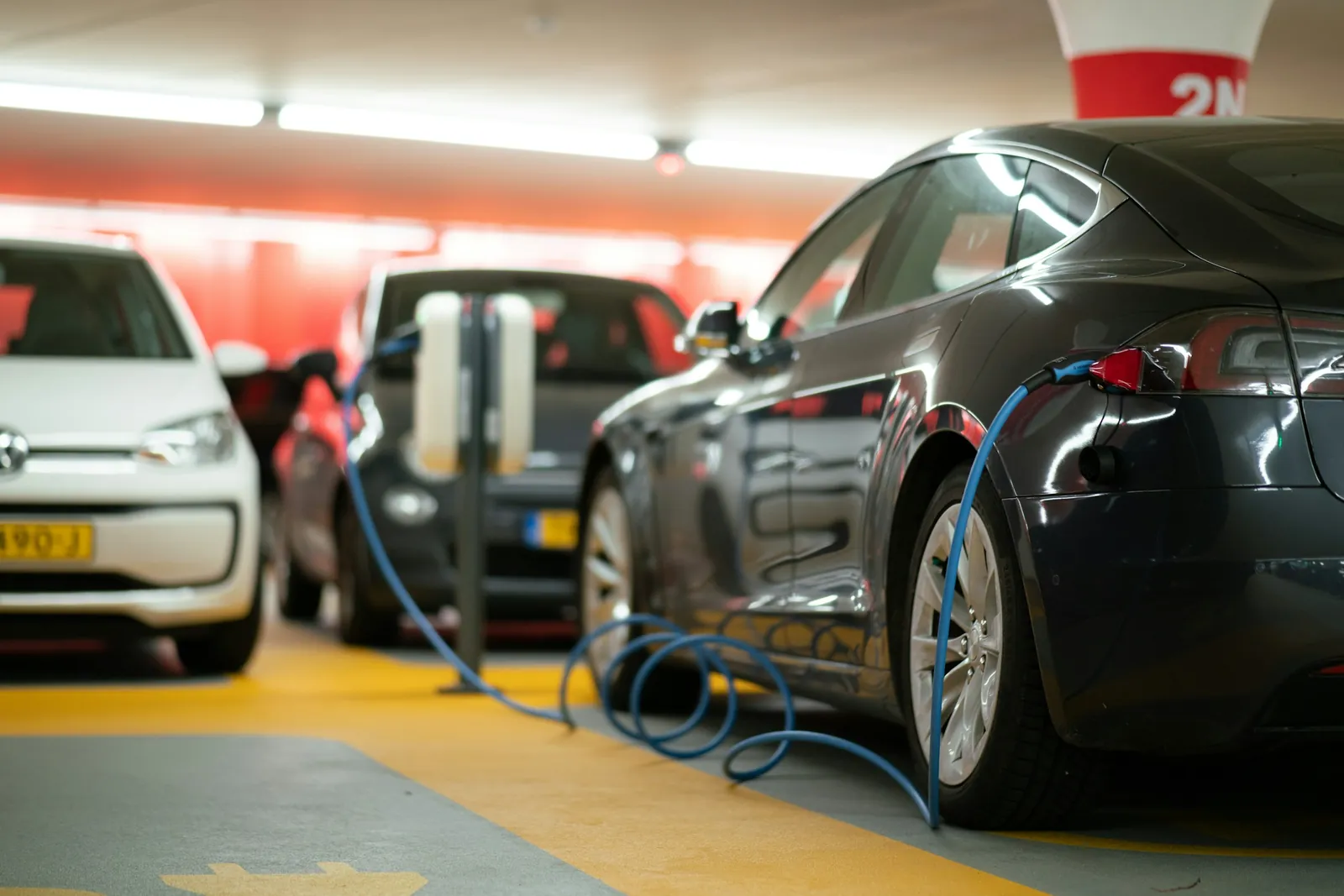
Most robotaxis are still plugged in by a person. They charge at the operator's depot, and in some cities at public fast chargers too. Robotic arms and wireless pads are on their way, but they are not yet how the large fleets charge.
How often
A robotaxi in steady service needs charging several times a day, and today that still largely depends on people plugging and unplugging chargers at depots.1 Every one of those visits takes the car off the road, and every trip to a charger and back is driven empty.
At the depot, by hand
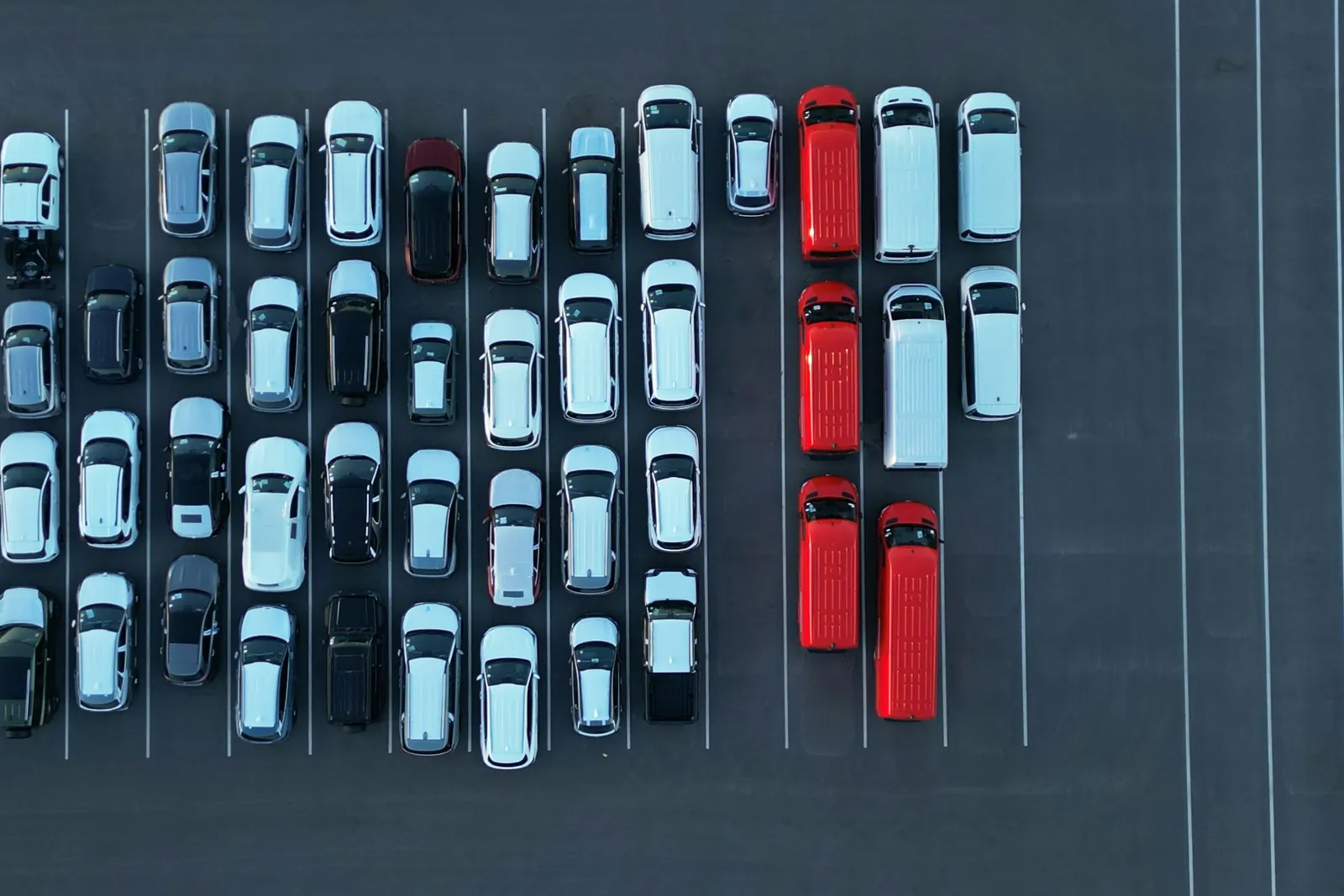
The depot is where most charging happens. At Waymo's largest, in San Francisco, staff plug in chargers and clean the cars while the rest wait on an outdoor lot.2 Waymo leaves much of this work to partners such as Moove, Avis and Lyft's Flexdrive.1
The depots are getting bigger. In October 2026 Flexdrive opened an 80,000-square-foot depot in Nashville for Waymo's vehicles, with dozens of fast chargers able to support hundreds of autonomous cars, along with repair bays.3
At public chargers
Where an operator's own chargers are not yet enough, robotaxis use the public ones. In Las Vegas, ride-hail drivers said in September 2026 that Waymo cars were taking up a public fast-charging station and that they had waited up to an hour and a half for a free charger. Waymo said it has its own depot with charging, tries to limit and stagger its use of public chargers, and builds dedicated charging as its operations in a city mature.4
Tesla's robotaxis in Austin charge at public Superchargers, plugged in by staff.5
Who builds the chargers
Charging has become something robotaxi platforms pay for themselves. In February 2026 Uber committed more than $100 million to its own DC fast chargers for robotaxi fleets, starting in the San Francisco Bay Area, Los Angeles and Dallas.6 For a company built on not owning cars, that is a notable step.
Without a person
Two ways of charging without a human hand are being built:
- Robotic arms. Rocsys has shown a long-reach arm on an overhead rail that slides along to serve up to ten bays, and says it has a deal with a robotaxi operator it has not named.1
- Wireless pads. Tesla's Cybercab has no onboard charger and can only take DC fast charging; Tesla plans to charge it wirelessly through inductive pads, has FCC approval for the technology, and says the system is well above 90% efficient.5
A third idea is to bring charging closer to where the cars are needed: small automated pods in parking spaces around a city, which one startup is building, instead of one large depot on the edge of town.7
Where charging gets noisy
Fleets charge at night, when demand is low, and that is when neighbours notice. In Santa Monica, complaints about two Waymo charging lots led the city to order overnight operations there to stop, and the case is now in court.8 More on that, and on where robotaxis wait in general, is in Where do robotaxis go between rides?
Why cities should care
Charging decides how often a robotaxi has to leave the area where it waits, how far it drives to do so, and whether it ends up at a public charger that residents also need. A city planning staging areas for robotaxis is also deciding how far those areas are from somewhere to charge.
Sources
-
Electrek, Rocsys unveils multi-bay hands-free charging system for robotaxis, raises $13M, April 2026. ↩ ↩2 ↩3
-
Business Insider, Take a look inside Waymo's largest robotaxi depot, February 2026. ↩
-
Lyft's blog, on Flexdrive's Nashville depot, October 2026. ↩
-
KTNV Las Vegas, on drivers waiting behind Waymo cars at public chargers, September 2026. ↩
-
Not a Tesla App, Tesla Is Currently Charging Driverless Robotaxis by Hand, October 2026. ↩ ↩2
-
electrive, Uber commits over $100 million to build out robotaxi charging network, February 2026. ↩
-
TechCrunch, Robotaxis drive miles just to get cleaned and charged; this new startup wants to fix that, June 2026. ↩
-
Santa Monica Daily Press, the appeal ruling, September 2026. ↩