Robotaxis in Germany: who runs them and where
MOIA in Hamburg, KIRA near Darmstadt, BVG in Berlin, Waymo and Momenta in Munich: where robotaxis run in Germany, how to ride one, and what the law asks.
The Lanoo team··4 min read
As of October 2026, no robotaxi in Germany carries paying passengers. You can ride one for free in two places, as a registered test user: MOIA's in Hamburg and KIRA's near Darmstadt, both part of trials. Berlin's are on the road without passengers, Waymo is preparing Munich, and more companies have announced plans.
Who runs what
| Company | Where | Status |
|---|---|---|
| MOIA (Volkswagen) | Hamburg | Free rides for selected residents since July 2026 |
| KIRA (Deutsche Bahn, RMV) | Darmstadt, Langen, Egelsbach | Free rides for registered users |
| BVG with MOIA | Berlin | Testing without passengers |
| Waymo | Munich | Mapping and testing; public rides aimed for the end of 2027 |
| Momenta with Uber | Munich | Tests announced for 2026; no start confirmed |
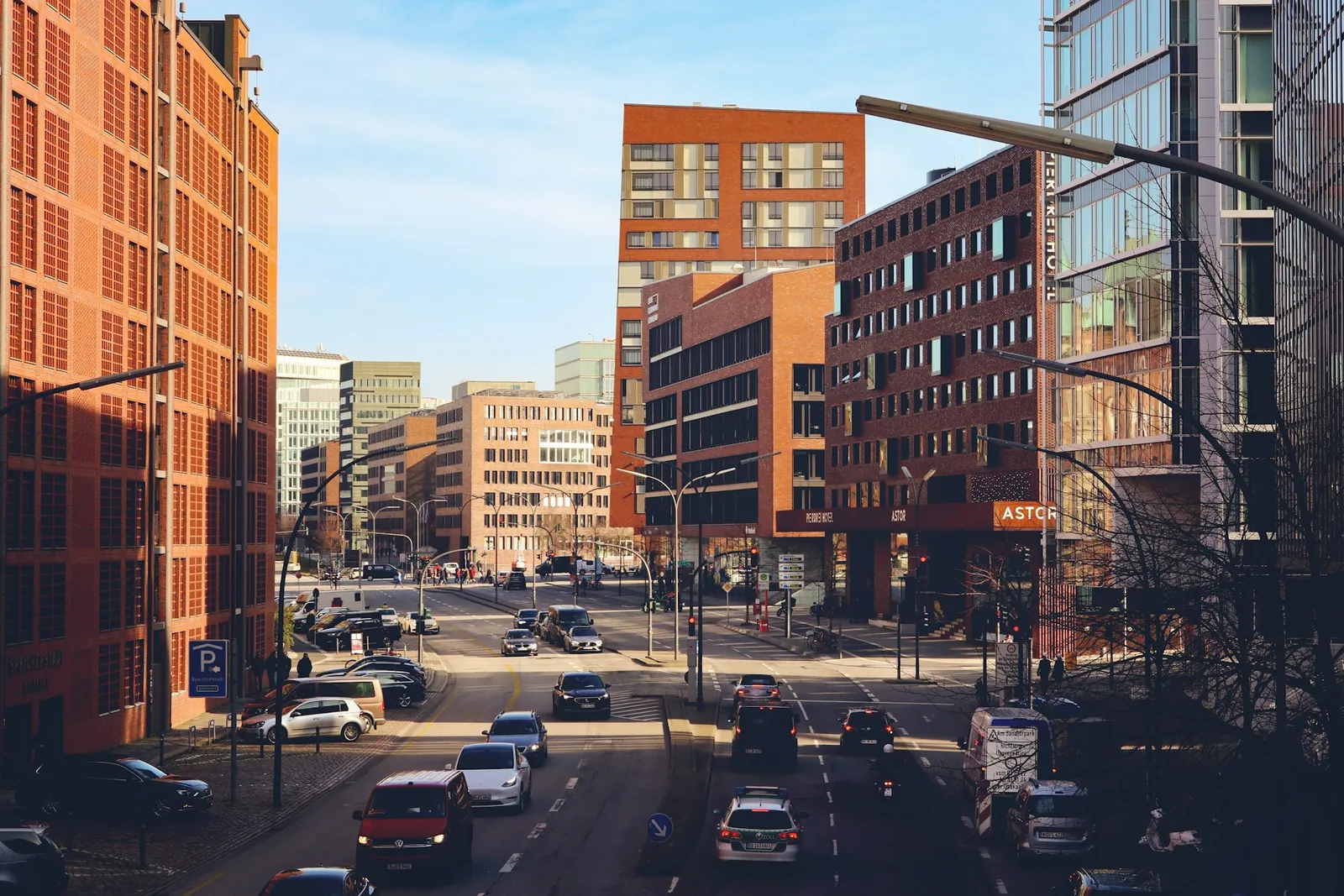
Hamburg. Since 15 July 2026, selected Hamburg residents who registered in advance can book rides in MOIA's self-driving ID. Buzz through the MOIA app. Rides are free and a trained safety operator is on board. The area covers parts of Winterhude, Barmbek and Wandsbek, with up to ten vehicles.1
Darmstadt, Langen and Egelsbach. KIRA's vehicles drive at Level 4 with passengers. Since April 2026, eight of them run Wednesday to Friday from 8:30 to 18:00, to about 130 stops, booked on demand. More than 3,500 people were registered as users in April, and rides are free for them.2
Berlin. The transport company BVG has five ID. Buzz AD vehicles on the road in about 15 km² of Spandau, Charlottenburg-Wilmersdorf and Reinickendorf, so far without passengers.3 Rides for closed test groups were planned for the first half of 2026; in July, BVG said they would start this year at best.4
Munich. Waymo announced Munich on 25 August 2026. It starts by mapping the city and testing with trained specialists at the wheel, and aims to open rides to the public towards the end of 2027.5 Uber and Momenta announced Level 4 tests in Munich for 2026;6 we have found no confirmation that they have started.
More to come. On 27 October 2026, Munich's largest taxi company, MTZ, signed a letter of intent with the US company Tensor for up to 500 self-driving cars in German cities, run under MTZ's own brand. It depends on final agreements and on approval for Level 4 in Germany.7
How to ride one
- Hamburg: only selected residents who registered with MOIA in advance can book, in the MOIA app.1
- Near Darmstadt: register as a test user at kira-autonom.de, then book a ride on demand, Wednesday to Friday.2
- Berlin and Munich: not yet.
What the law asks
Germany wrote Level 4 into its Road Traffic Act in 2021. A driverless vehicle needs approval from the Federal Motor Transport Authority (KBA), and may only drive in an operating area the federal state's authority has approved.8 Every vehicle needs a technical supervisor, a person who can switch it off or approve a manoeuvre it proposes, but does not drive it.9 For Berlin's service to become permanent, the vehicles need series approval for Level 4 fleet operation from both federal and Berlin authorities.3
Ride-hail cars in Germany must also return to their base after each trip unless the next order is already in, and whether robotaxis will carry the same duty is still open.10 The country-by-country picture is in Robotaxi rules in Europe.
What cities decide
Because each operating area is approved by the federal state, German cities and states have a direct say in where robotaxis may drive. Once services grow, they will also need places for vehicles to wait between rides. In Munich, Waymo, Momenta with Uber and MTZ could end up wanting the same kerbs near the same stations. That is what staging areas are for, and what Lanoo shares fairly between them. Every service in Germany and the rest of Europe is listed in Robotaxi companies in Europe.
Sources
-
MOIA, Passenger test operation launches in Hamburg, 15 July 2026. ↩ ↩2
-
German Aerospace Center (DLR), Autonome KIRA-Shuttles fahren länger und bedienen neue Orte, 8 April 2026 (in German). ↩ ↩2
-
Die Brandenburger, BVG verschiebt Fahrgastbetrieb mit autonomen Kleinbussen in Berlin, 26 July 2026 (in German). ↩
-
Waymo, Waymo in Munich, 25 August 2026. ↩
-
electrive, Uber and Momenta plan to test robotaxis in Munich in 2026, September 2025. ↩
-
The Next Web, Munich's biggest taxi firm plans up to 500 Tensor robotaxis in Germany, October 2026. ↩
-
Federal Motor Transport Authority, National type approval for motor vehicles with a fully automated driving function. ↩
-
§ 49(4) of the Passenger Transport Act (PBefG); see taxi heute and, on the debate, Tagesspiegel Background. ↩