Robotaxis in London: who runs them and how to ride
Wayve and Uber, Waymo, Baidu and Pony.ai: who is running or testing robotaxis in London, how to get a ride today, and what Transport for London decides.
The Lanoo team··3 min read
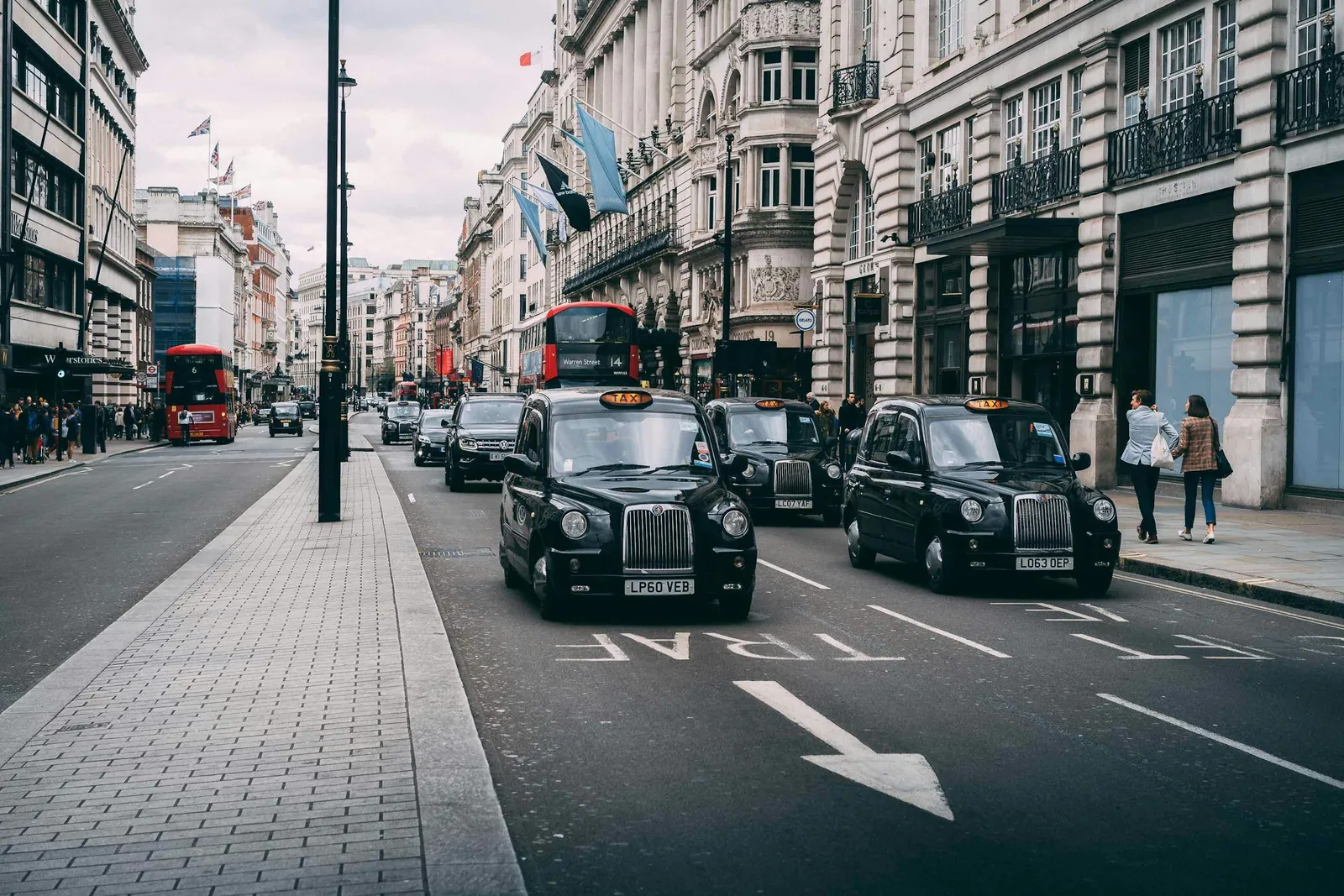
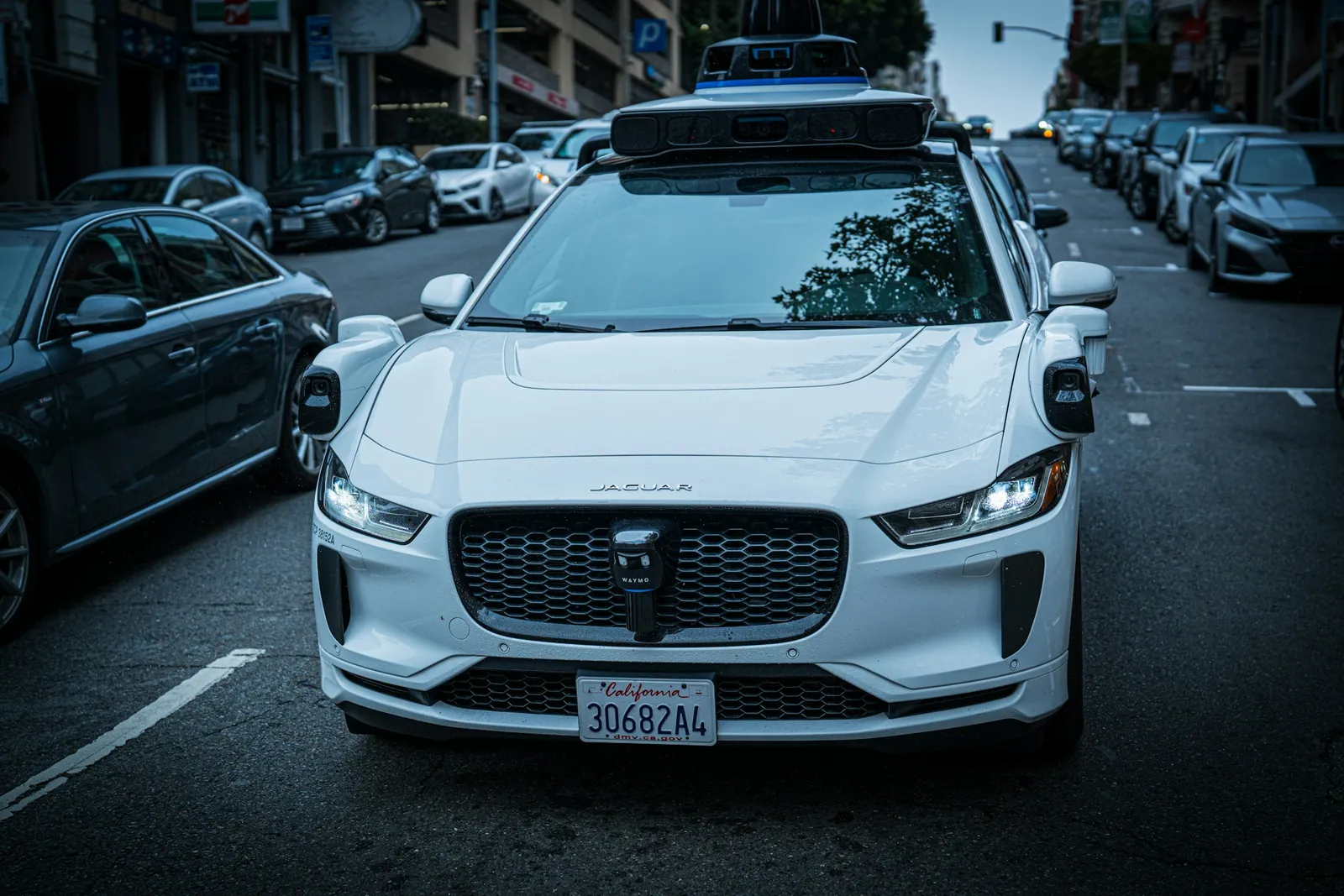
As of October 2026, the only way to ride a robotaxi in London is through Uber, in a Wayve car with a licensed driver at the wheel. Waymo, Baidu with Lyft's Freenow, and Pony.ai with Uber are testing or about to. None of them yet carries passengers with nobody in the driver's seat.
Who runs what
| Company | With | Status |
|---|---|---|
| Wayve | Uber | Rides since 3 September 2026, with a driver at the wheel |
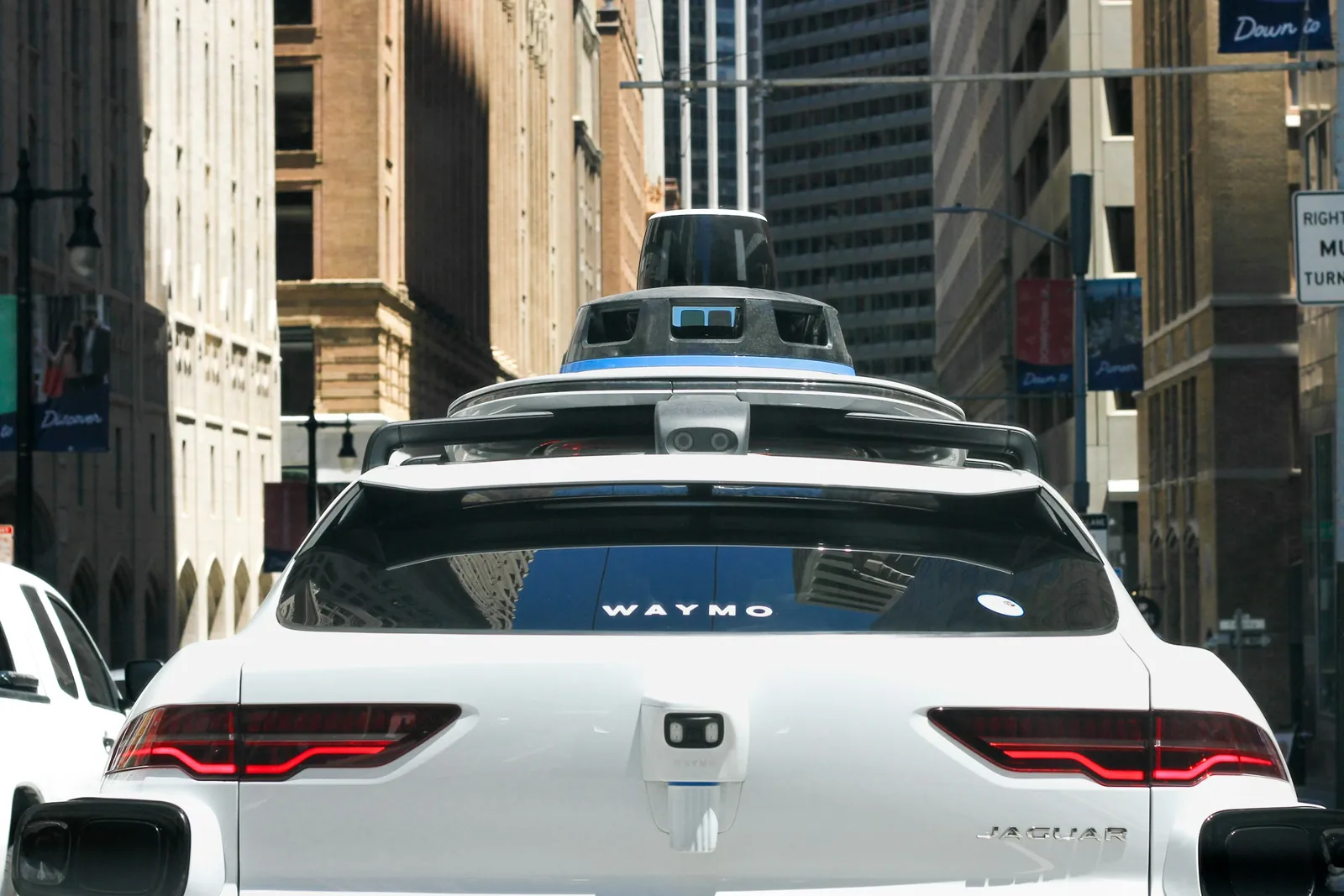
| Waymo | Moove | Testing; aims for a fully driverless service by the end of 2026 |
| Baidu Apollo Go | Freenow by Lyft | Testing in Brent since July 2026; public rides planned for 2027 |
| Pony.ai | Uber | Road tests announced in October 2026 |
Wayve's service is small: Transport for London licensed up to 15 of its cars for a one-year trial.1 Waymo has been testing in London with Moove looking after its fleet,2 and says it is working towards a fully autonomous service by the end of this year.3 Baidu's Apollo Go began road testing in the borough of Brent with Freenow in July 2026, with safety operators on board, and plans to take public riders from 2027.4 Uber and Pony.ai announced in October that Pony.ai's cars would start testing in London within weeks.5
How to ride one
You cannot book a robotaxi directly. When you request an UberX, Uber Electric or Uber Comfort in London, you may be matched with a Wayve car instead of a regular one, at the same upfront fare.6
- To make a match more likely, opt in under Settings to Trip Preferences in the Uber app. More than 140,000 Londoners had done so by launch.
- If you are matched and would rather not, you can switch to a regular car before it arrives.
- Trips can go anywhere in London except to the airports.
- A trained, TfL-licensed private hire driver sits behind the wheel and can take over.
With so few cars, the odds of a match are low for now.
Why there is still a driver
Wayve's cars are licensed by Transport for London as private hire vehicles, not as automated vehicles, and a private hire vehicle needs a licensed driver.1
Running without one takes a different permit. Since May 2026, the UK has had permits for automated passenger services, granted by the Driver and Vehicle Standards Agency. In London, Transport for London must also consent. By late August 2026 no such permit had been issued to any operator, and TfL had not yet published the guidance operators need to apply.3 How Britain's rules fit together is in Robotaxi rules in Europe.
What London decides
Transport for London is both the licensing authority for private hire vehicles and the body whose consent a driverless service needs. In practice that makes it the gatekeeper for when, and how, London's first driverless rides happen.
London also has four robotaxi companies working at once, more than any other city in Europe. Once their fleets grow, they will want the same kerbs near the same stations and venues to wait between rides, which is what staging areas are for, and what Lanoo is built to share fairly between them. Every company in London, and across Europe, is listed in Robotaxi companies in Europe.
Sources
-
The Next Web, Uber and Wayve launch London's first robotaxi service, with a safety driver in every car, September 2026. ↩ ↩2
-
TechCrunch, Waymo plans to launch a robotaxi service in London in 2026, October 2025. ↩
-
Tech Times, London Robotaxi Riders Promised 2026 Driverless Trips: TfL Says No Rush, August 2026. ↩ ↩2
-
Baidu, Baidu's Apollo Go and Freenow by Lyft begin road testing in London, July 2026. ↩
-
The Next Web, Uber and Pony.ai will test Chinese robotaxis in London within weeks, October 2026. ↩
-
Tech.eu, Londoners can now hail Wayve autonomous vehicles through Uber, September 2026. ↩